Match the dosing basis
The polyol : isocyanate ratio is 100 : 56 by weight. Tell us whether the 2K mixer meters by mass or volume so the metering setup can be reviewed correctly.

FOR ABRASIVE PRODUCT MANUFACTURERS
SPC-2117
SPC-2117 is a two component polyurethane adhesive for bonding abrasive grains to polyurethane foam in sanding block and sanding sponge production.
Discuss your applicationReview SPC-2117 for your 2K mixer and slot die coating line. Validate it with your foam and abrasive.
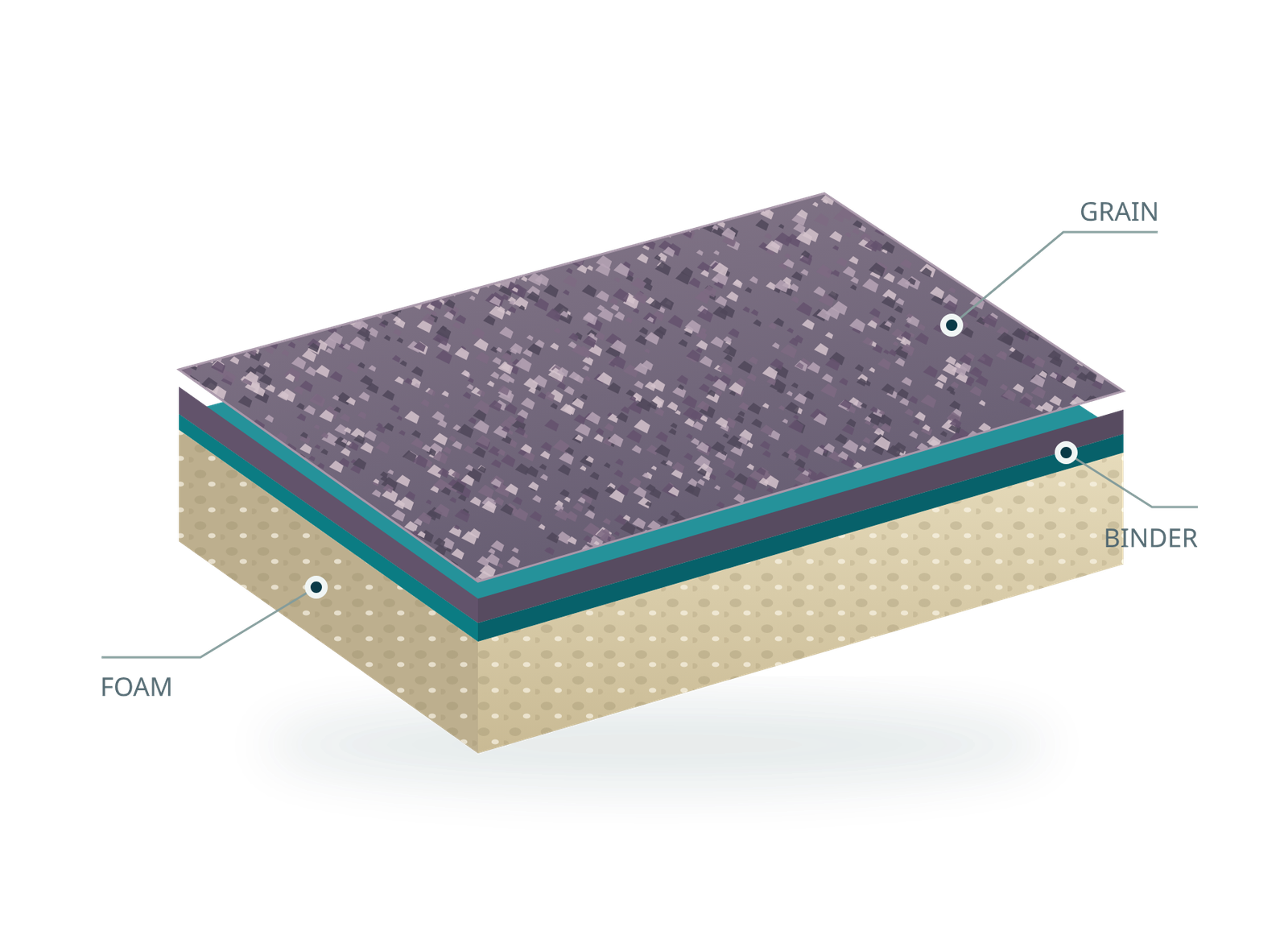
In sanding block manufacturing, the adhesive binds abrasive grains to a foam backing. The production sequence coats the polyurethane foam with adhesive, applies the abrasive, then cures the binder.
Evaluate SPC-2117 in the complete foam, binder and abrasive construction. For flat or patterned sanding sponge surfaces, agree the coating coverage, flexibility and grain retention checks for the finished product.
Plan your line trialGrain type, grit and coverage
Binder interfaceCoating uniformity and grain retention
Foam backingFoam type, density and compression
Concept section · not to scale
Review each stage of your sanding block line. The route below describes adhesive coating followed by abrasive application; the final machine settings require a trial.
Meter polyol and isocyanate at 100 : 56 by weight. Check the dosing basis, component temperature and mixed material handling window.
A mass ratio, not a volume ratioApply the mixed adhesive to polyurethane foam. Review the die, coating weight, line speed, surface wetting and coating uniformity together.
Settings depend on the actual lineApply abrasive after adhesive coating. If your line uses “flood coating with abrasive”, specify the grain feed, grit and required surface coverage.
Confirm the grain application windowRecord the curing conditions. Check grain retention after flexing, coating integrity and sanding performance against your current product.
Wet use needs its own assessmentTypical values for product selection. These are not guaranteed specification limits. Confirm performance with your foam, abrasive and processing conditions.
| Property | Polyol | Isocyanate |
|---|---|---|
| Viscosity | 200–600 cPs | 500–900 cPs |
| Density | 1.0017 g/cm³ | 1.221 g/cm³ |
| Appearance | Clear to white | Clear to slightly yellow |
| Property | Typical value | Test method |
|---|---|---|
| Hardness | 70–80 Shore A | ASTM D2240 |
| Tensile strength | 1,255 psi | ASTM D412 |
| Elongation | 234% | ASTM D412 |
| Tear strength | 148 pli | ASTM D624C |
| Density | 1.01 g/cm³ | DIN 53479 |
Use the SPC-2117 figures as a starting point for evaluation. The trial needs to answer how the binder behaves in your mixing, coating and sanding process.
The polyol : isocyanate ratio is 100 : 56 by weight. Tell us whether the 2K mixer meters by mass or volume so the metering setup can be reviewed correctly.
Component viscosities are listed at 24 °C. They do not state the mixed viscosity at your processing temperature. Share the mixer, slot die and coating conditions for the trial.
The reported 40–60 minute gel time is a test result. Confirm the actual mixing to coating and coating to abrasive application windows on your line, including its stop and restart conditions.
Record grain coverage, foam condition, binder flexibility and grain retention after curing and flexing. Compare sanding results under the intended dry or wet conditions.
Review the binder’s role, your coating equipment and the evidence needed to evaluate an alternative adhesive.
Yes. The application is abrasive grain bonding to polyurethane foam in sanding block and sanding sponge manufacture. This is different from attaching sandpaper to a backing or making an abrasive belt joint.
Share the mixer’s dosing basis, the slot die and the conditions for coating polyurethane foam. Confirm component handling, mixed viscosity, coating uniformity and the grain application window during a trial.
Here it describes applying abrasive grains after the adhesive has been coated onto the foam. Specify how your line applies the grain, its grit and the required coverage. The adhesive coating and grain application stages need to be reviewed separately.
SPC-2117 can be evaluated as a candidate alternative adhesive. Compare the TDS values, component handling, coating conditions and the complete cured sanding block. Matching typical figures alone does not establish a direct replacement.
It is a reported gel test result under the stated reference conditions. Determine the usable mixing, coating and abrasive application windows with your own equipment and processing conditions.
Wet use needs specific testing of the complete abrasive product. Confirm the intended conditions and grain retention requirements before choosing a grade.
Share the foam specification, abrasive mineral and grit, coating method, line speed, curing conditions and any current adhesive data you are permitted to share.
Use the approved TDS and SDS for the exact selected grade. The figures shown here are typical reference values. Confirm the document version and agreed specification limits before ordering.
START WITH YOUR APPLICATION
Send your application details to the SPC team for a technical discussion about your sanding sponge adhesive.
Keep these details available for the technical review.